
Better for the fish, your fingers, and your skills on the water
It started because I’m a lazy angler. Read on and you’ll see what I mean
1. The Regs Say So
More and more, fish and game departments are requiring the use of barbless hooks—Oregon included. Getting hassled by a game warden cuts into my precious fishing time. If all you’ve got are barbed hooks, no worries—just pinch the barb down with your forceps and move on. Problem solved.
2. It’s Better for the Fish
You don’t need to be a rocket scientist to figure out that ripping a hook out of a fish’s face—especially with a barb—isn’t doing it any favors. Still not convinced? Try hooking yourself with a barbed hook and yanking it out. Not fun.
Barbless hooks reduce damage and make catch-and-release what it’s supposed to be: less harmful for the fish.
3. They’re Easier to Remove
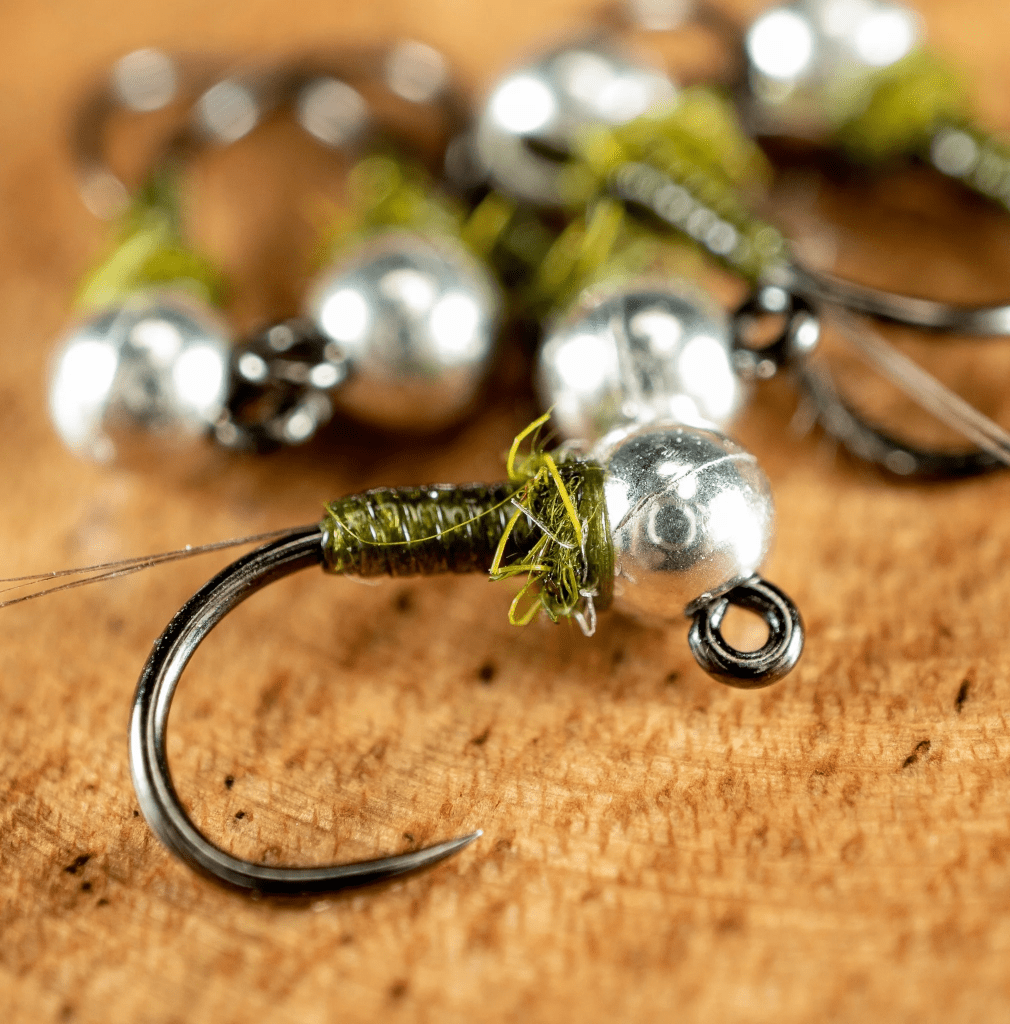
We’ve all stuck a hook in our thumb at some point. With a barbless hook, it’s no big deal—it slides right out. It’s faster, cleaner, and less traumatic for both you and the fish. No torn-up fingers. No torn-up mouths. No urgent care visits.
One time, my buddy got a size 20 two-bit hooker nymph buried in his finger. It was so small we couldn’t even push it through to crimp the barb. He fished the rest of the day with it still stuck, then went to urgent care. When I saw him later, he was missing a chunk of his thumb. True story.
4. They Make You a Better Angler
Barbless hooks force you to be sharper with your hooksets and smoother in your fights. You learn to keep constant pressure, let the fish run when it wants to, and land it fast. Once you get over the learning curve, your landing ratio will actually go up. You’ll realize just how much you were relying on that little metal bump.
Final Word
Going barbless makes life easier for you and the fish. It’s better for conservation, better for technique, and—if we’re honest—better for your fingers. Whether you’re doing it to stay legal or just trying to be less of a menace to trout, switching to barbless is an easy win.
-T


Leave a comment