
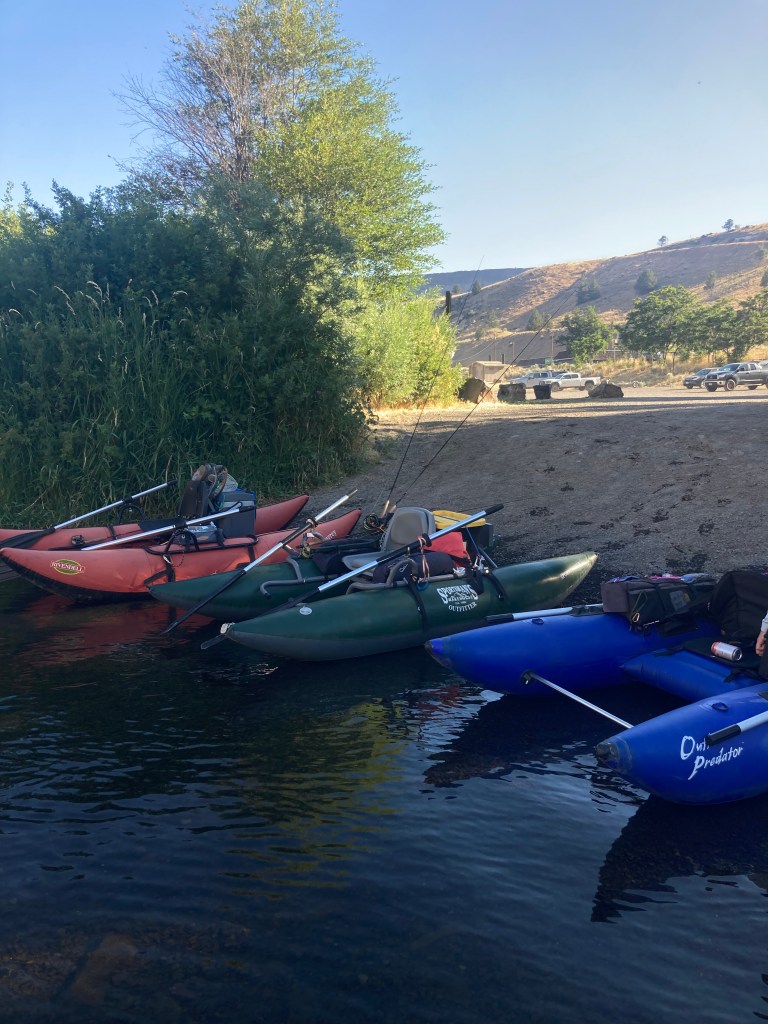
Ask ten guys on the river what’s better—a drift boat or a raft—and you’ll get eleven different answers. I’ve rowed both and read countless forum arguments about which one reigns supreme. Here’s what I’ve learned.
The cop-out answer is: “It depends.” I know—that’s not what you’re looking for, but hear me out. Each vessel serves a unique purpose and has its place on the river. The decision to buy one or the other depends on your rowing style, the type of water you’re running, how much gear or how many passengers you’re transporting, and what activities you prioritize. I’ll break it down as simply as I can.
Drift Boat
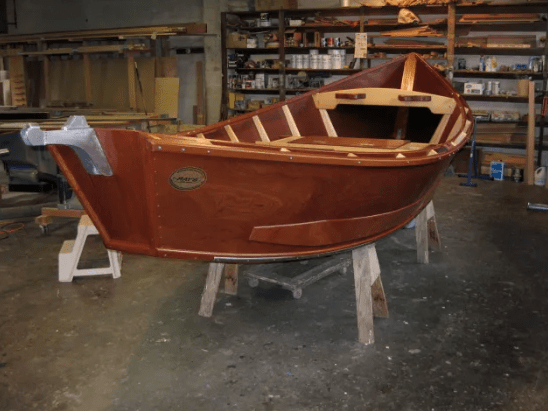
The boat that conquered the West. When most of us picture a drift boat, we imagine the classic McKenzie or Rogue River styles: high sides, flat bottoms, and lots of rocker. These boats are responsive, track well, and offer a great casting platform.
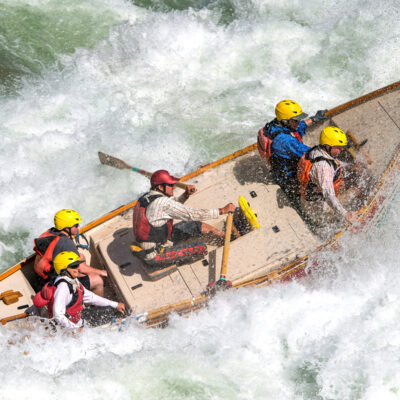
Drift boats come in various materials—from wood to aluminum to fiberglass. Each has its pros and cons, and the choice usually comes down to personal preference. Drift boat captains need to stay sharp on the oars; a bad line through a rapid can punch a hole in your boat. That’s not to say they can’t handle whitewater—just look up dory captains sending massive standing waves on the Colorado River.
Drift boats have three major advantages that rafts can’t match: stability, comfort, and aesthetic. Their rigid bottoms make for ideal casting platforms. High sides keep anglers dry and seated comfortably—though they do catch the wind. And let’s be honest: a well-maintained wooden drift boat floating downriver will always turn heads.
Raft
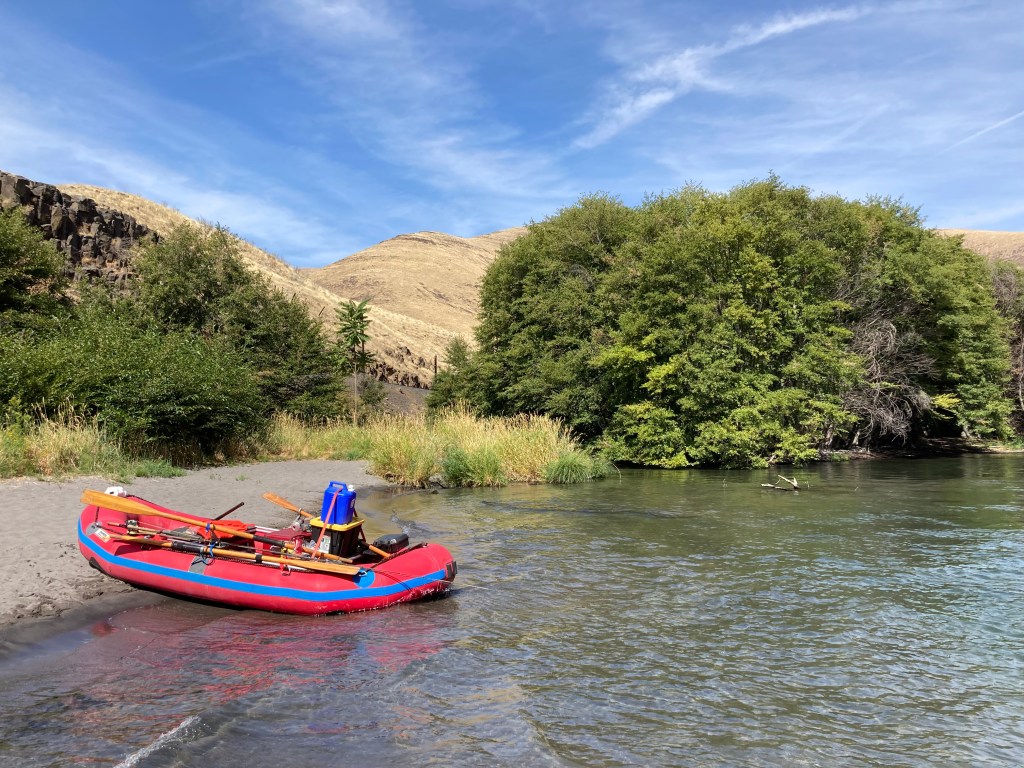
Rafts are inflatable boats made of PVC or Hypalon (rubber). A metal frame supports seats, gear, and casting platforms, giving the vessel its structure. These boats are more forgiving in rough or shallow water, tending to bounce off rocks rather than smash into them—but don’t let their durability become a crutch. Get comfortable behind the sticks.
Rafts have a shallow draft and a wide footprint, which helps them track well downriver. However, they can be sluggish compared to a drift boat, so plan your lines early.
Rafts are the ultimate utilitarian river vehicle. Framed designs offer endless customization to match your rowing style. Add casting platforms, cooler mounts, and cargo tie-downs as needed. Raft floors come in I-beam or drop-stitch construction—the latter being better for standing and casting.
Side-by-Side Comparison
| Category | Drift Boat | Raft |
| Durability | Tough but rigid – can dent or crack | Highly durable and forgiving |
| Shallow Water | Tracks well in moderate shallow water | Low draft – performs well in skinny water |
| Rapids | Class I-III no problem | Up to Class V with proper skills |
| Casting Platform | Stable and ideal for multiple anglers | Stable with key modifications |
| Portability | Trailer required | Trailer, roof rack, or rolled in a car |
| Maintenance | Fill scratches and dents, repaint regularly | Learn to patch and use UV protectant |
| Cost | Usually more expensive upfront | Generally more budget-friendly |
| Aesthetic | Classic, clean, sexy lines | Utilitarian and rugged |
Transporting Your Vessel
No question—having a dedicated trailer is the best way to transport your drift boat or raft. But trailers add a few grand to your setup, and then there’s the issue of storage.
If space and transport are major concerns, go with the raft. While it’s inconvenient, you can deflate, roll, and haul it in the back of an SUV. I’ve seen people strap them (inflated) to the roof of a Subaru or rest them across truck bed rails—that’s how I transport mine.
A Word on Maintenance
There’s no such thing as a maintenance-free boat. Period.
Drift boats need occasional varnishing, repainting, and gelcoat repairs. Rafts need patching and regular UV protectant applications. Both need to be cleaned—not just for looks or longevity, but to prevent spreading invasive species. Transporting aquatic hitchhikers between watersheds is a dick move.
Clean your damn boat.
So, What Should I Buy?
- Weekend Warrior: Get a drift boat. You can attach a motor for lakes, it’s more comfortable for the family, and your angler buddies will appreciate the casting platform.
- Expedition Types: Go with a raft. Customization is endless, and it’s easy to convert into a gear boat.
- Guides: Choose whichever suits your clientele and trip style.
- Skinny Water / Variable Flows: The raft is your friend.
- New Rowers: Crash your buddy’s boat first. Then maybe grab a used raft to learn on.
- Rich Guys: Just buy both—ignore your spouse.
Final Thoughts
I currently own a used raft with more patches than Raggedy Ann, but I plan to own a drift boat someday. I even want to build one. Beyond the satisfaction of crafting it myself, I love the heritage aesthetic of a wooden drift boat—it feels like an homage to the legacy of angling in the Pacific Northwest.
For now, my raft lets me learn new rivers and row in peace, but the comfort of a drift boat is becoming more appealing than the versatility of a raft. If I were regularly running Class IV whitewater, I might feel differently—but for my style of fishing, the drift boat is where it’s at.
At the end of the day, row your friends’ boats, be honest about what features you value most, and come to your own conclusion. Talk to the guys at your local fly shop. Every vessel has its place—and both will get you on the water.
And really, isn’t that what matters most?
-T

Leave a comment