
I’m not sure there’s a single fly I’ve tied that’s accounted for more hookups than the humble jig streamer. It’s a quick, easily tied guide fly that truly comes to life on a mono rig. This fly changed the game for me, and it only became more effective as I learned its versatility. In this post, I’ll show you how to tie it, how to fish it, and why it shines on a mono rig.
What is a Mono Rig (and Why It Works for Streamers)
I’ve written a quick guide to the mono rig before (click here to read it). But for those who haven’t seen that post, here’s the skinny:
A mono rig is a long, stiff leader made of monofilament that connects to your fly line and allows you to euro nymph with precision. It’s removable, easy to tie, and incredibly versatile. The idea is to remove fly line from the system, since it sags in the guides and drags in the current.
My jig streamer mono rig formula:
- 30 feet of 12lb Maxima Chameleon
- 3–4 feet of 2X sighter material
- Tippet ring
- Fluorocarbon tippet (long enough to match the depth you’re fishing)
Some anglers prefer Maxima Ultragreen over Chameleon. I choose Chameleon because it’s stiffer and has less line memory. Both work fine. For fluorocarbon, I use Seaguar or P-Line because they’re more affordable than tippet spools. Fluoro is key here—it’s more abrasion-resistant and stealthy than nylon, and it absorbs water, helping it sink faster.
The mono rig is especially effective for jig streamers because it keeps you in direct contact with your fly through the entire drift. You get more control, less drag, and an easier time fishing a variety of depths. One of my favorite tricks is fishing the streamer over a shelf, then lowering it off the drop into the strike zone—something much harder to do with a standard indicator rig.
Why Jig Streamers Are Perfect for a Mono Rig
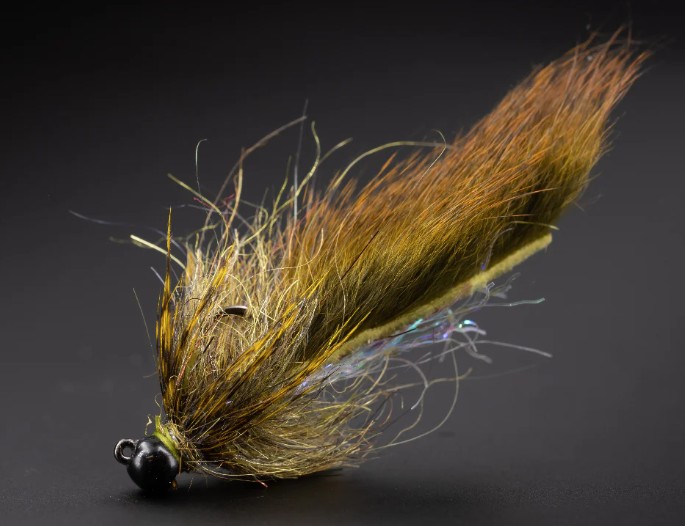
The heavy bead gets the fly down quickly, and the upturned hook point avoids snags. The jigging action mimics injured baitfish or leeches, while the squirrel zonker tail waves tantalizingly in the current. A soft hackle collar adds movement and gives the impression of a sculpin.
When should you use a jig streamer? Honestly—almost anytime.
- Swing it into back eddies and retrieve it through the foam.
- Drop it behind boulders or log jams for ambush predators.
- Use its weight to sink another fly quickly in pocket water.
- Retrieve it upstream along undercut banks to coax fish from cover.
In cold water, the jig streamer is an easy, slow-moving snack for lethargic trout. In warmer months, it can get deep into the cool undercurrent where more active fish are holding. The versatility of this fly is matched only by the versatility of the mono rig—it’s a killer combination.
Gear & Setup
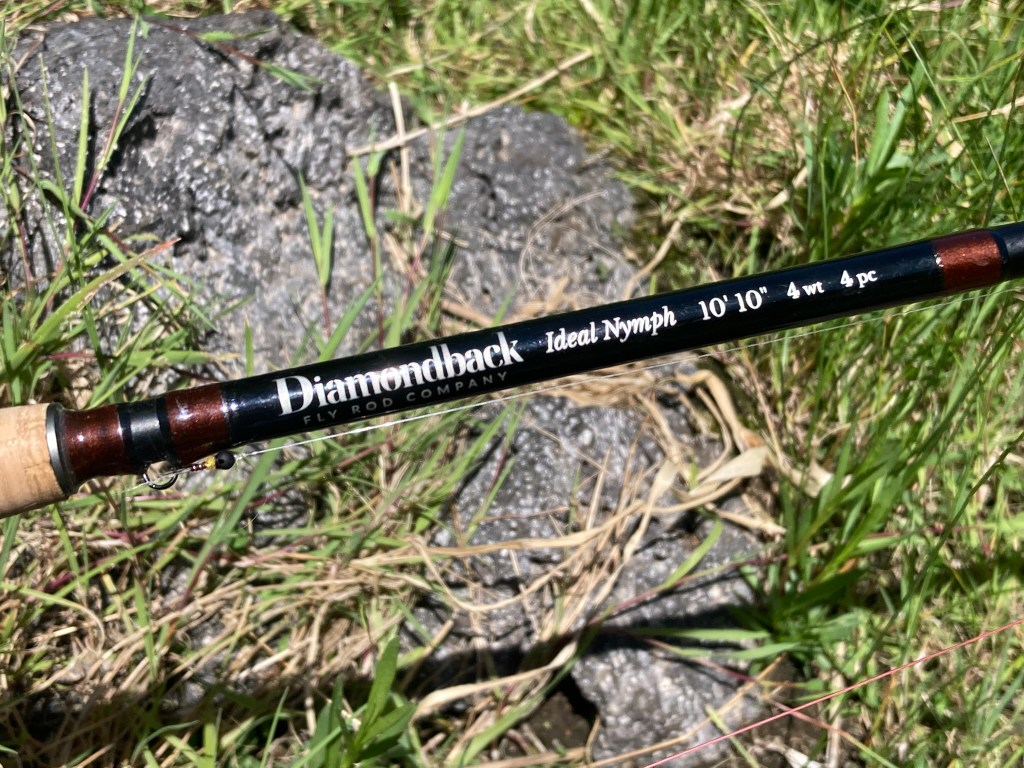
I recommend a 10–11 ft, 3 or 4 wt euro nymphing rod. The length helps with stealth, reach, and the power needed to cast a heavier streamer. The sensitivity of a euro rod also helps protect lighter tippets and detect subtle strikes. (Check out my review of the Diamondback Ideal Nymph to see my personal setup.)
Use the mono rig formula above and attach it to your fly line. For tippet, 4–6lb fluorocarbon works best—skip the taper, as level line cuts through the water more efficiently.
Streamer colors: Match your local forage. My box includes olive, brown, tan, and grey variations. The fly itself is simple: squirrel zonker tail, Arizona SimiSeal body, and a collar of soft hen hackle or partridge. You can finish with a thread hotspot (I’ve had good luck with red).
If you don’t tie, most fly shops stock euro-style streamers. Check the streamer bins for jigged slumpbusters, poachers, or leeches.
Presentation Techniques
1. Tight-Line Dead Drift
Use the same method you would with other euro nymphs. A tuck cast gets the fly in place, and you guide it through the strike zone. Stay in contact for the entire drift.
2. Jig-and-Lift
Start as you would for a dead drift, but add subtle rod tip pulses to make the fly hop. Many fish will eat on the drop, so keep tension at all times.
3. Swing & Dangle
At the end of your drift, let the fly swing slowly toward the bank and hang there. A gentle lift of the rod tip with light twitches can trigger strikes.
4. Strip Retrieve
Best when fish are aggressive or the current isn’t imparting enough action. Experiment with retrieve speed and cadence—strip through deep pools or along cut banks, and match your retrieve to whatever bait you’re imitating.
Common Mistakes & How to Avoid Them
- Not getting deep enough – Make sure your fly reaches the strike zone before the drift ends.
- Overworking the fly – Long, fast strips often look unnatural for leeches or sculpins. Bigger patterns can handle faster retrieves; smaller ones need more hang time.
- Losing contact – Start each cast with your rod tip up to keep tension from the beginning of the drift. Dropping the tip too soon means you’ll miss takes.
Mono Rigs + Jig Streamers = A Match Made in Heaven
Few setups give you more control over your streamer’s movement. This style adds variety and excitement to standard euro nymphing and adapts easily to many fishing situations. The system is simple, efficient, and—most importantly—fun. Tie up a few, or grab some from your local shop, and give them a try. I promise you won’t be disappointed.
—T

Leave a comment