
Summer steelhead season is a special time of year. Warm water for wet-wading, aggressive surface-oriented fish, and long days stepping through runs make for some of my favorite swinging conditions. The best part? The fishing only gets better going into fall.
Summer steelhead flies are different from winter patterns: they’re smaller and generally cast on Scandi or Classic Spey setups. Casting involves efficient touch-and-go strokes and tight loops that make your heart sing. And then there’s the thrill of raising a steelhead to a skated muddler — an experience that simply doesn’t compare to winter fishing. While summer fish tend to run smaller, the sheer level of action makes up for it entirely.
In this post, I’ll share three of my favorite summer steelhead flies and why they work.
What to Look for in a Summer Steelhead Fly
Summer steelhead patterns tend to be smaller — much smaller — than their winter counterparts. While we often swing big intruders and leeches with trailer hooks on sink tips during the colder months, summer fishing calls for size 5–7 flies tied on traditional steelhead irons or bomber hooks. On rivers like the Deschutes, these smaller patterns are the norm. On others, like the fast-moving North Umpqua, I’ll size up slightly for quicker runs.
I like to fill my summer box with three main types of flies: traditional hairwings, muddlers tied in different profiles, and small strip leeches for when the water colors up in the fall. The common thread is materials that breathe: soft hackle collars, bucktail and arctic fox wings, and buggy features that make a fly come alive in the water. Each fly type also lends itself to a slightly different swing technique.
Hazel’s Lum Plum
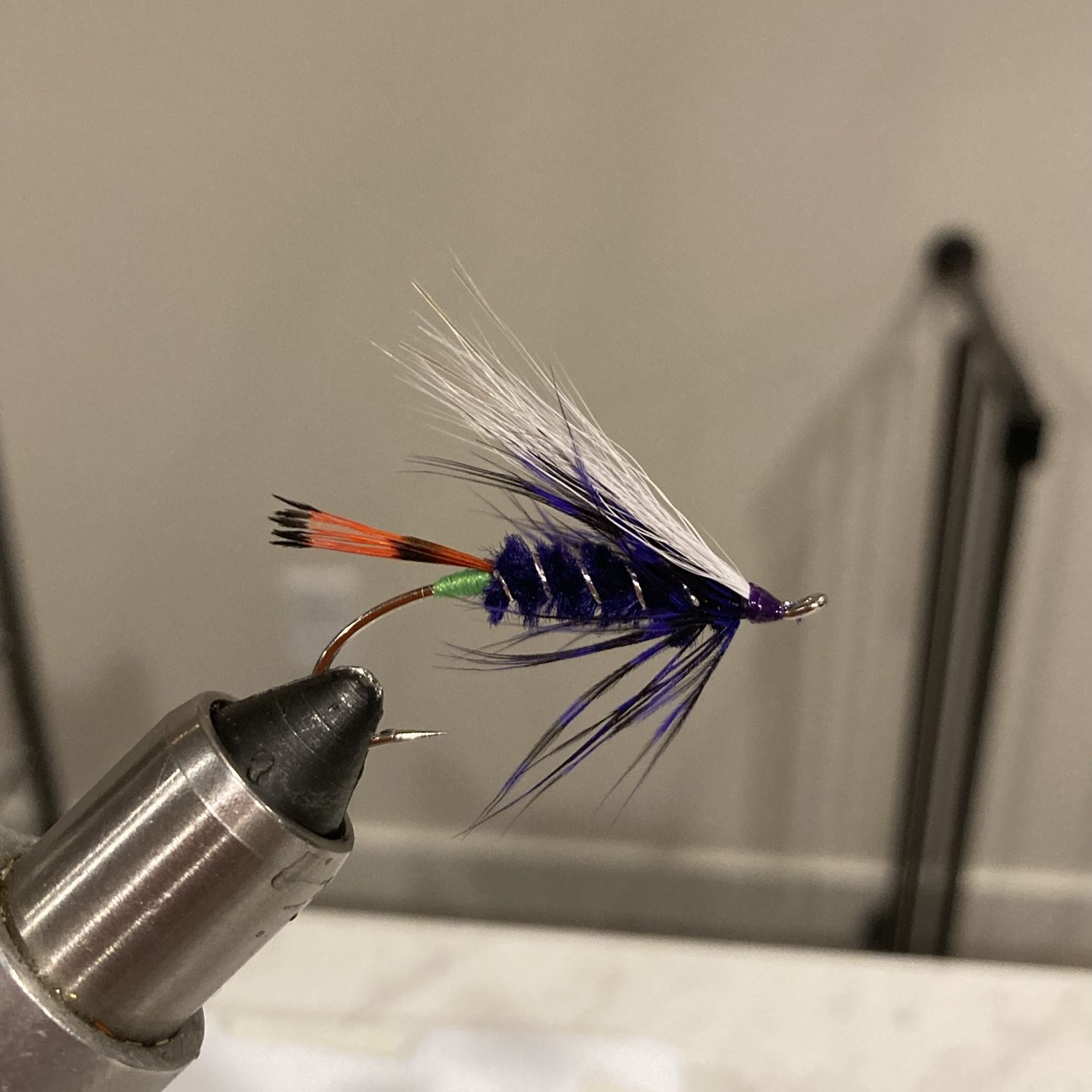
This fly was born and bred on the Deschutes and has proven itself on summer steelhead rivers across the Pacific Northwest. At its core, it’s essentially a purple Green Butt Skunk. The touch of flash in the overwing recalls the Streetwalker, while the spotted guinea hackle adds a subtle fluorescent kick. It’s a fly I won’t hit the water without.
Green Butt Skunk Muddler
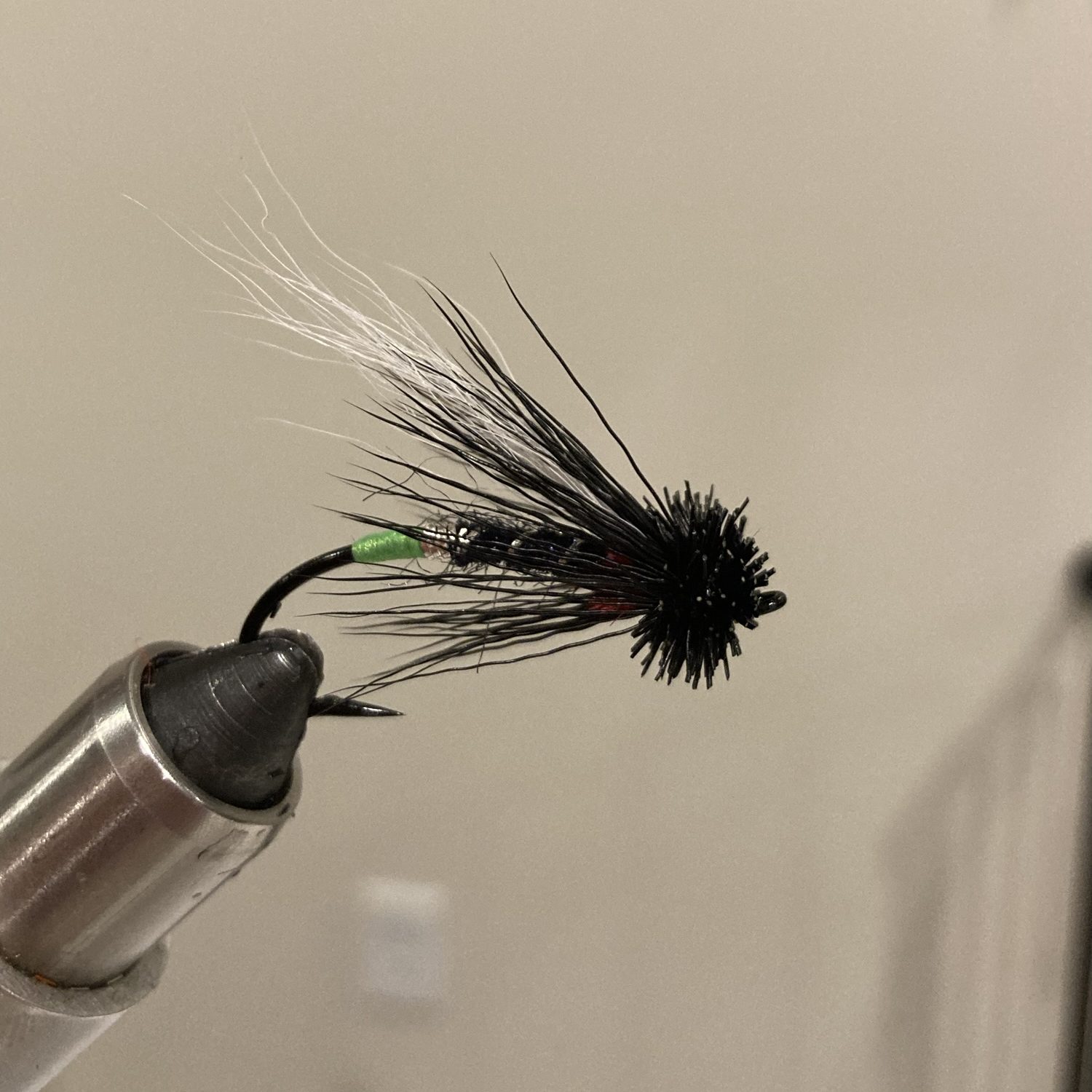
The Green Butt Skunk is ubiquitous and consistently effective. Credited to Dan Callaghan, who in the 1950s added a green chenille butt to the original Skunk on the North Umpqua, the pattern remains a staple. The bold black-and-white contrast, paired with the rear hotspot and red tail, continues to produce steelhead year after year.
My muddler variant is designed for skating on a floating line or fishing just under the surface with an intermediate tip. It features a fluorescent green butt, black ice-dubbed body, oval tinsel ribbing, and a red cactus chenille bolster. A white bucktail underwing and a black cow elk muddler head complete the fly. Adjusting the thickness of the muddler head changes how high the fly rides — cow elk, being more buoyant than deer hair, creates a more pronounced V-wake.
Strip Leech or Steelhead Matuka
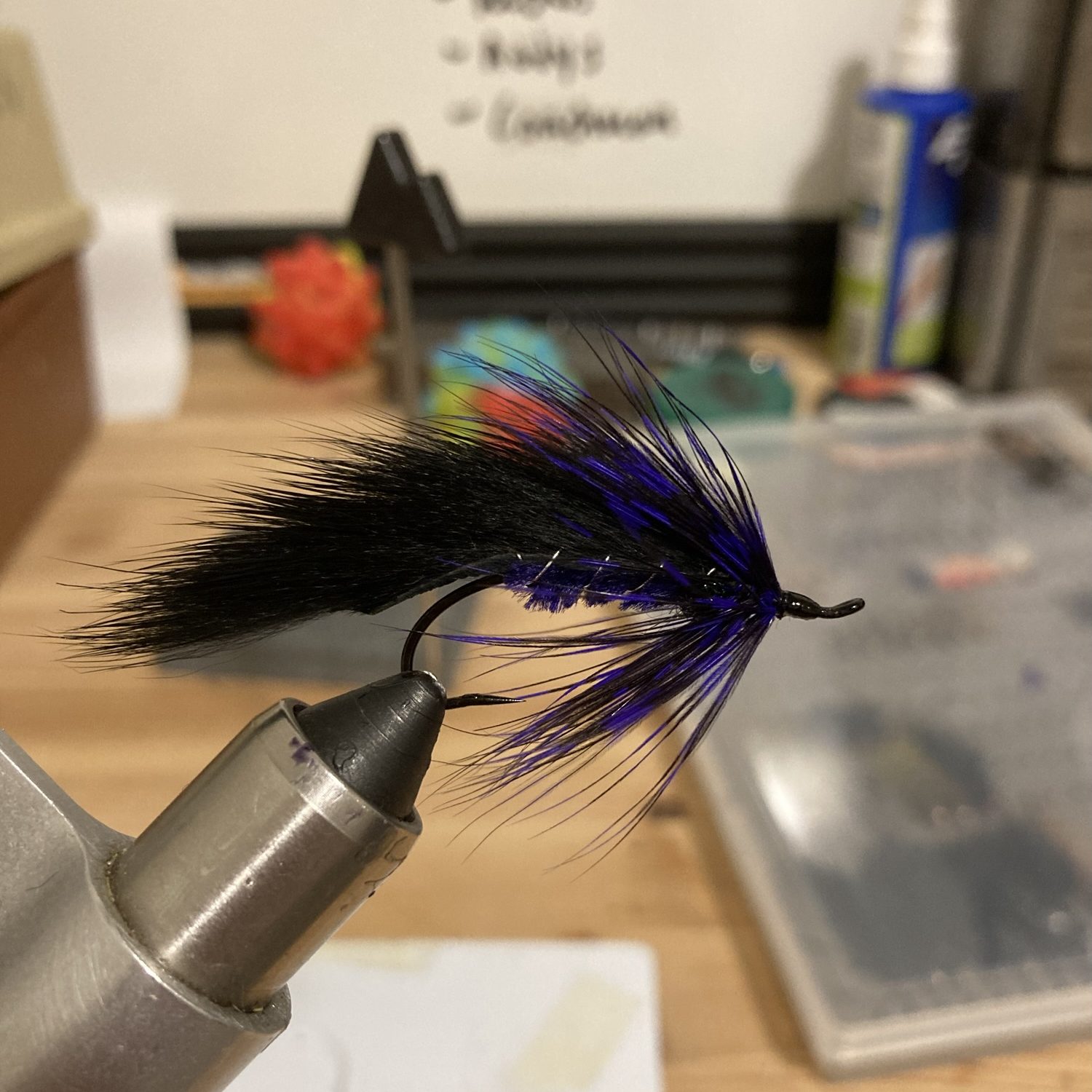
I believe every summer box should include a leech pattern. In fast, bouldery pocket water, a larger profile helps grab a fish’s attention. Sparse flies can be too subtle in heavy current. I also rely on leeches when the water goes off-color in the fall — their larger, swimmy profile dramatically improves odds. A light sink tip in the right situations will also increase your hookups, but I like fishing for summer fish on a greased line as much as possible.
For my Matukas, I keep it simple: tied on an Alec Jackson steelhead iron with a black bunny strip, ice-dubbed body, and a spotted guinea collar for fluorescence. For strip leeches, I lash a black bunny strip to a trailer hook, attach it with supple line like Spider Wire to a 25mm intruder shank, and finish with ice dub, a touch of flash, and a fluorescent hotspot at the head.
Bonus Fly: The Charlie Muddler
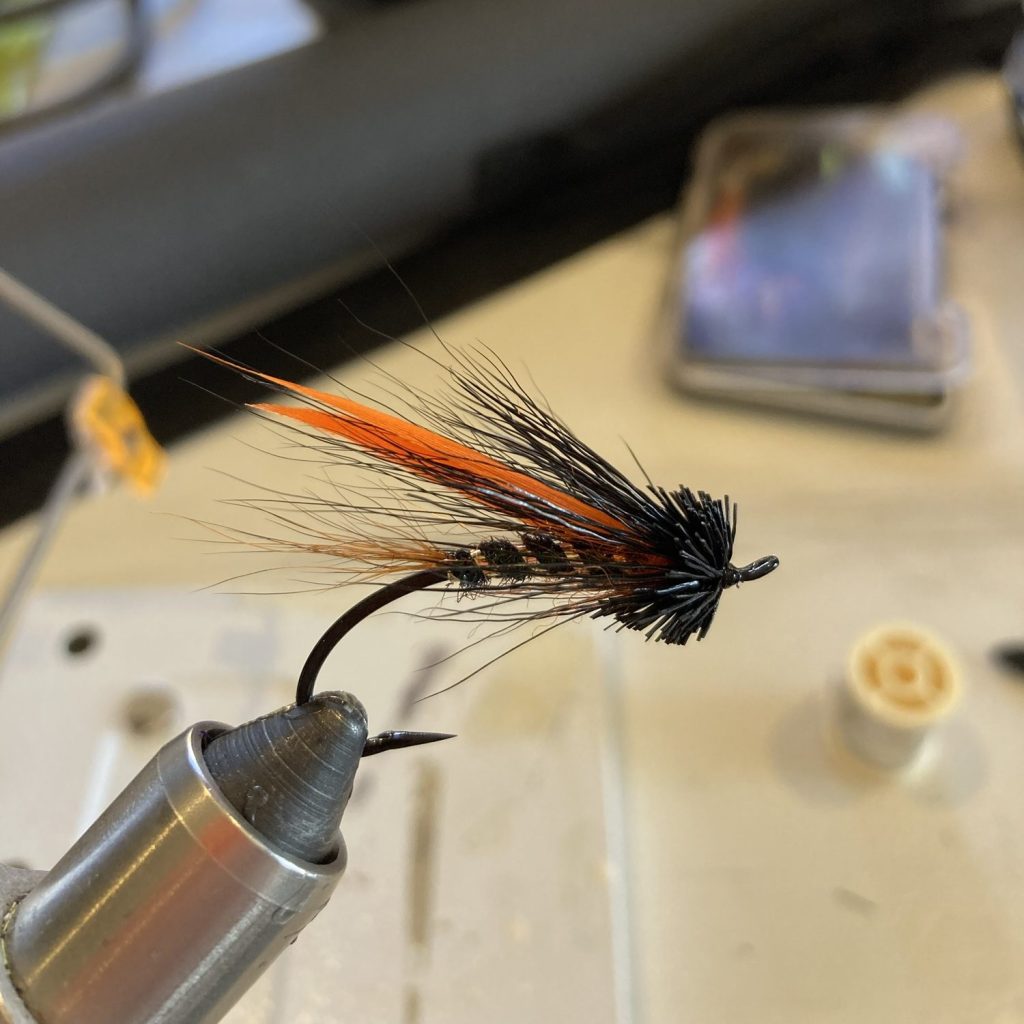
This little fly is a joy to fish. Sparsely tied and fished in the surface film, it’s inspired by Bill McMillan’s steelhead caddis and was created by Steve Szeliga during COVID. Steve Szeliga mentions one of his favorite ways to fish the fly is to get the fly down and let it come under tension in front of a known holding lie. The fly lifting to the surface will elicit an explosive grab.
I tie mine with a pheasant tippet tail, ice dub or floss body ribbed with flat tinsel, a bucktail underwing, and a goose/turkey overwing. A sparse cow elk muddler head seals the deal. You can also use a bit of STS trilobal dub or ice dub to veil the bucktail and goose/turkey butts. Adjust hook size and weight for different water types, and don’t be afraid to experiment with colors. These buggy muddlers also entice redbands and browns on the swing.
Closing Thoughts
I chose these flies because they cover a wide range of summer steelhead scenarios. Low, clear water calls for smaller, sparse ties, while stained or turbulent conditions benefit from larger, bolder profiles.
More important than the fly itself is how you fish it: cover water methodically, step down with integrity, and fish with confidence. Presentation and commitment always trump pattern. At the end of the day, steelheading is as much about patience and persistence as it is about hookups. Fish what excites you, and you’ll stay motivated for that next explosive grab.
Stay strong, and stay fishy.
—T

Leave a comment