
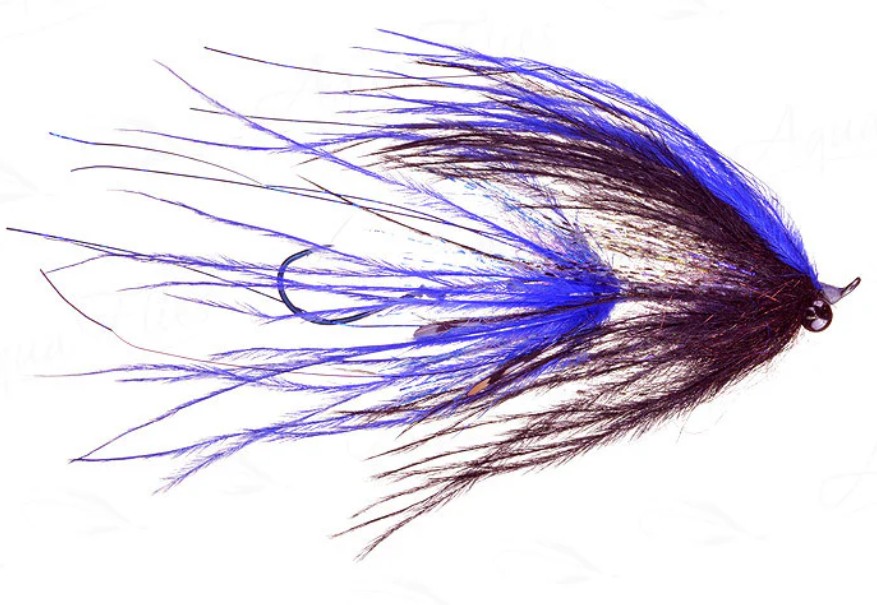
If you’ve fly fished for steelhead, you’re already familiar with the Intruder. But the Intruder is more than a fly-box staple—it’s an entire category of stinger-style flies tied on shanks, all sharing a big-profile, high-motion design. Here’s a breakdown of the modern Intruder and why not all versions are created equal.
The Origins of the Intruder
The Intruder is generally credited to Ed Ward and Jerry French in the early 1990s. The fly was big, buggy, leggy, and downright obnoxious—yet surprisingly unbulky. Materials with movement, like marabou and ostrich, created that signature flowing profile without adding much weight. The Intruder pioneers wanted something swimmy that wasn’t too difficult to cast.
The original versions were tied on long streamer hooks, but modern Intruders have evolved. Today most are tied stinger-style on shanks, which allow for short-shank hooks that reduce damage to fish and limit the leverage fish have during the fight. More hookups, less harm.
Some anglers tie Intruders on tubes instead: the leader runs through the tube and directly to the hook, with a short piece of flexible tubing keeping everything aligned.
Basic Construction
Intruders are tied in two sections on a shank or tube. Each section starts with a stiffer base material—like webby schlappen or bucktail—to support the longer, flowier fibers that give the fly life. Flowy fibers typically include marabou or ostrich. Some guys use rubberlegs or other synthetics.
Between these stations sits the body, usually made of tinsel, chenille, or light dubbing. Ribbing and flash are common additions.
Variations can include rubber legs, rabbit or squirrel strips, arctic fox, Amherst fibers, and more. There’s a ton of room for creativity.
How to Make These Flies Effective
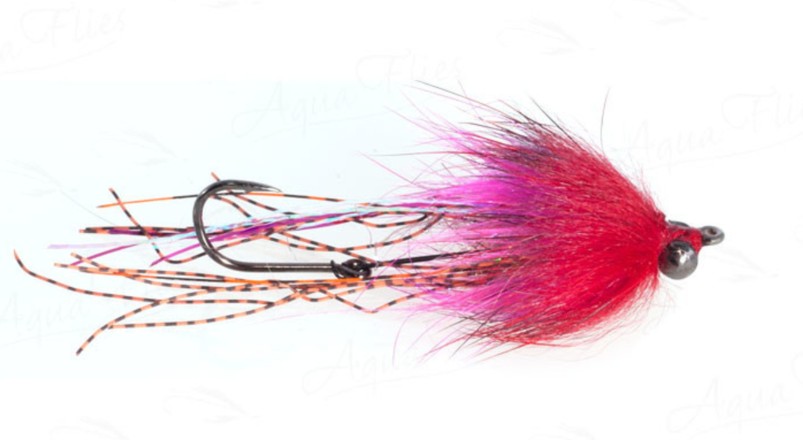
The Intruder is a blank canvas. Its effectiveness comes from the profile, and the ability to customize that profile to match your river conditions.
My biggest piece of advice: tie these flies smaller than you think, at least for the Deschutes. Save the big dogs for stained water. My most productive Intruders are 3–4 inches long with a smaller rear section and a larger front section. This creates that layered effect and supports the longer front fibers.
Just as importantly: use fewer materials than you think you need. Sparse is better. Too much marabou leads to bulky, hard-to-cast flies that trap air and ride too high—exactly what you don’t want in winter when every inch of depth matters.
I like tying high-contrast color schemes, usually black paired with blue, purple, or hot pink. I bury my brights under black ostrich or marabou to tone down the intensity. This lets you easily adjust the black-to-color ratio for different water conditions:
- Slow, clear water: shorter fly, heavier on the black
- Stained or fast water: bump up the color
- Very dirty water: black stays visible quite well, fish a big boi
A little fluorescent hot spot doesn’t hurt either. I like chartreuse at the butt or a small orange hit near the eye for an egg-sucking leech look. But overly loud flies feel out of place on pressured rivers like the Deschutes and North Umpqua, so I keep it subtle.
Some of My Favorite Intruder-Style Flies
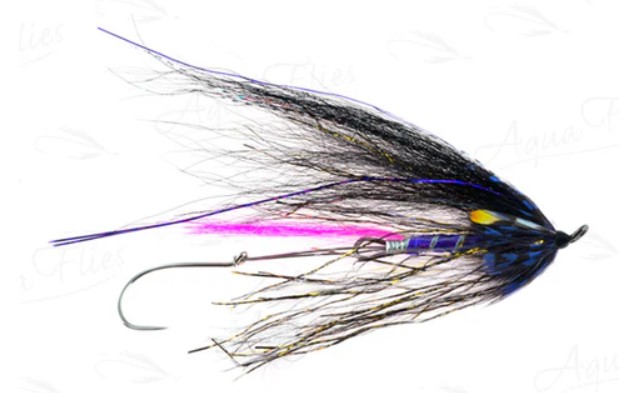
Scandi Intruders – Light, wispy, and killer in gin clear or pressured water. The hairwing is the signature here. Elegant and deadly.
Mini Intruders – My most-tied version. Perfect for pressured steelhead and excellent for trout spey. These flies teach you discipline—every wrap matters.
Jerry’s Intruder – French’s original concept: sparse, contrasting, and flashy in the right places. A true classic.
Wrapping it Up
Intruders reward creativity, but they fish best when tied sparser than you expect. Visualize your final profile before laying down your first thread wrap. Jerry French’s Classic Intruder is still the gold standard for a reason and makes for a good reference when staying true to the original concept.
They’re fun to tie, fun to fish, and just plain fun to look at. Hard to beat an Intruder—or any of its countless riffs.
Fish ’em hard.
–T


Leave a comment