
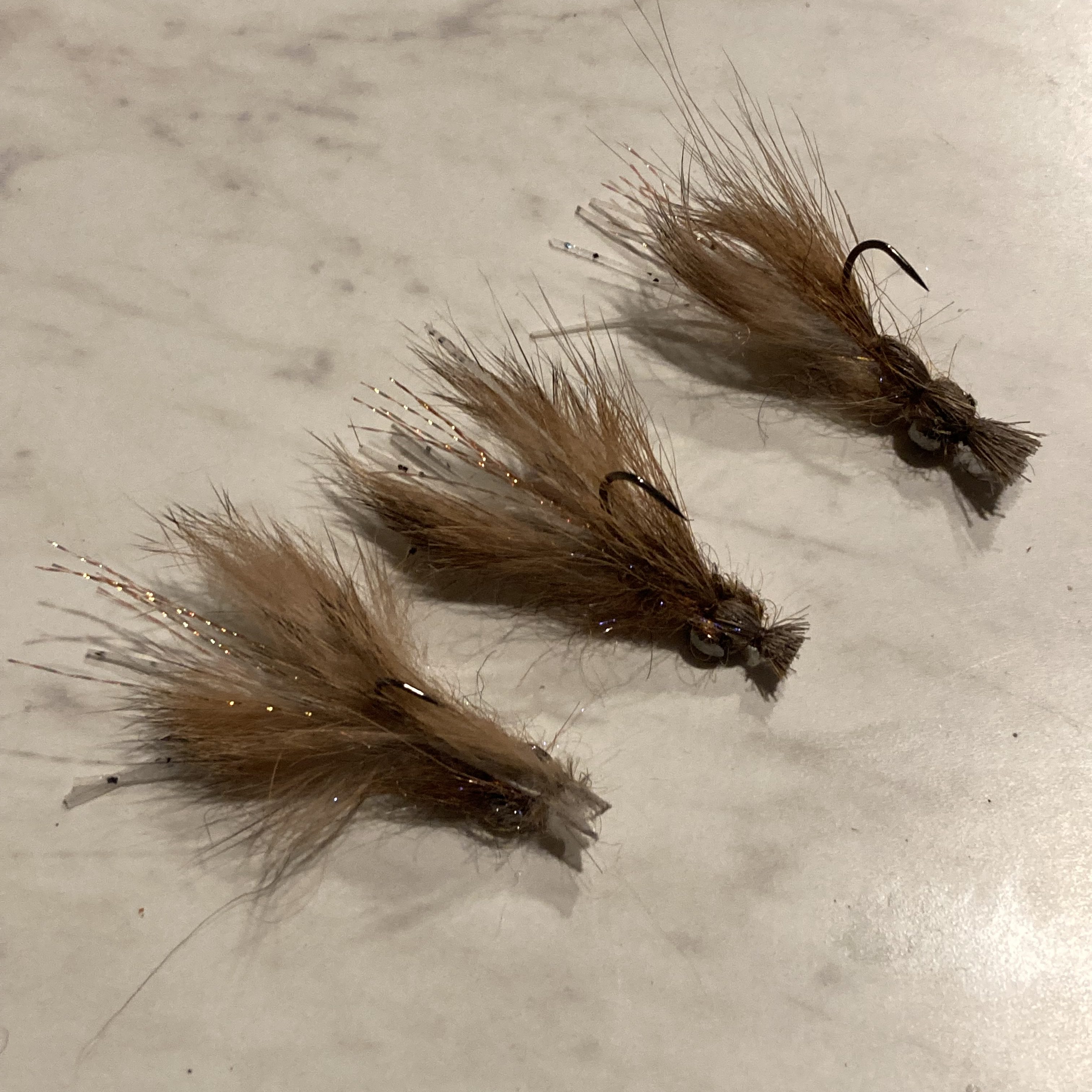
I’ve been in a fly-tying mood lately. Since it’s still dark when I get home from work, it’s about the only thing I can do besides cook a delicious meal and binge Stranger Things. The tying state of mind gets me thinking about what flies I could be using this coming season that I just haven’t given enough love to in the past—or maybe new ones that could become fly box staples. Whatever the case, it’s exciting to get wound up in a fresh pattern and all of its iterations. This was exactly my experience with crayfish patterns the other night.
An Ode to the Crayfish
Crayfish, crawdad, mudbug—whatever you call them—it’s the freshwater crustacean that doesn’t get anywhere near enough love in our fly boxes. Mine included. They start out small in the spring and, through a series of molts, grow to full size with a tough exterior carapace. They take about three to four months to reach adult size and then remain adults for the next several years.
I have a theory that trout tend to key in on these lobster-like creatures just after they molt—specifically during the three to four months it takes them to reach adulthood. The hard shell is shed and, for a brief window, the crayfish is soft and edible. They aren’t as large of a meal, but they’re vulnerable targets. The smaller crayfish also lack the big, angry claws that the adults have.
How to Mimic Them
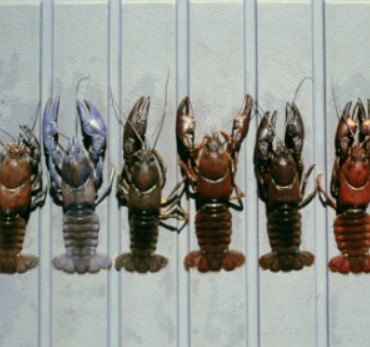
There are over 600 different species of crayfish, ranging in size from just under an inch to full-on lobster size, so it’s important to know what’s living in your home waters. Colors range from olive to red, orange, blue, and brown.
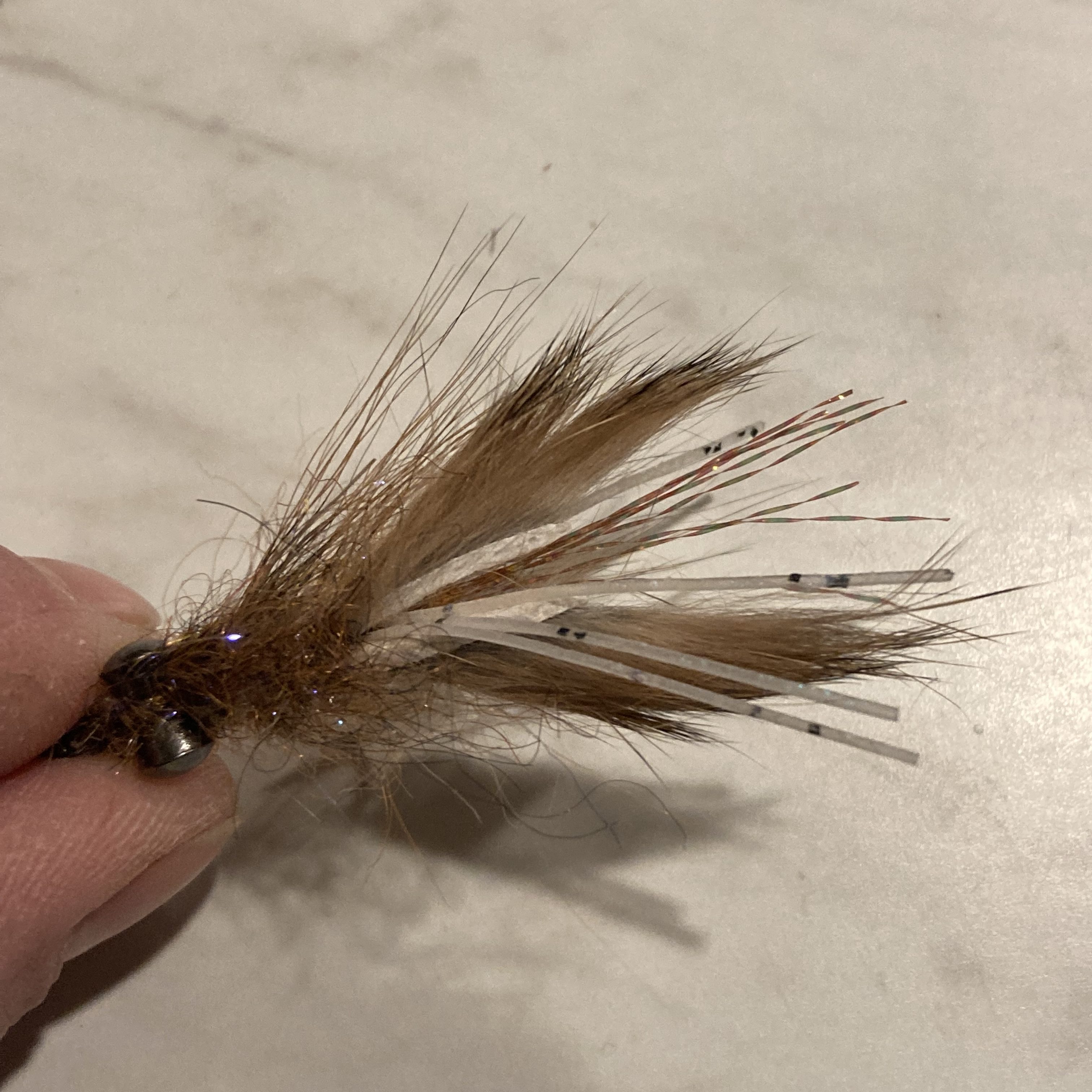
That means your patterns should be tailored to the local species. One thing you can be fairly confident in is that molting crayfish are lighter in color after shedding their shell, which is why I’m keying in on tan flies. I don’t know this for certain, but I believe they’ll stand out a bit more as vulnerable bugs hanging out close to the weed beds.
Tie these flies on jig hooks with fairly heavy weight. Keep them on the smaller side of your full-sized local crayfish species and stick to lighter colors. The key detail that sells the pattern is the claws. Many tiers will tie up big, gaudy, beautiful claws that are likely to give a hungry trout second thoughts. I personally wouldn’t want to eat something with massive claws waiting to pinch my nose. Tie them smaller than you’d expect and facing toward the rear of the hook. I also like to add rubber legs, long pieces of flash, and fuzzy dubbing to give the appearance of legs and antennae.
How to Fish Them
These bugs are best fished near weed beds, drop-offs, shelves, and other major structure. Since crayfish are most likely hiding in the shallower parts of the river, it pays to focus your efforts there.
Cast the fly, let it sink, then jig your rod tip in an up-and-down motion using a slow, gentle cadence. The objective is to mimic a bug fleeing in small, subtle bursts with an undulating motion. A properly weighted jig-style fly should help achieve this retrieve.
Give Them a Shot
Join me in making 2026 the year of the crawdad. It’s an underused and underloved fly that deserves more attention—myself included. They don’t need to be super difficult or painstaking to tie in order to be effective. Just wrap up the bug, tie it onto your leader, and give it a try. It’s the only way to know for sure if it works in your home waters. Just be sure to do your homework on the species that live there.
Get after it.
—T

Leave a comment