
It’s springtime! About damn time, if you ask me. I’m having visions of wet-wading, big bugs crawling up my arms, swarms of evening caddis, and rattlesnakes along the bank. Besides the danger ropes threatening to poison me, it’s a pretty swell time of year.
Luckily, for the casual angler, springtime offers boundless opportunity as the lakes begin to ice off and the rivers come alive. Here in Central Oregon, the irrigation canals open and the town sections of river come back into fishable shape. What does that mean for me? Well—after-work fishing on the Middle Deschutes, of course!
When I’m fishing after work, I don’t want to be bothered with a boat box, three different hatch boxes, and the odd fly box of nymphs that I never fish. Rather, I want to pack a select batch of confidence flies to make my evening excursion efficient and action-packed. Here are a few flies that stay in my truck—and in my fly box—when spring decides to spring in Central Oregon.
1. The Jig Streamer
I actually wrote an entire post about the merits of the jig streamer and why it should live in your fly box year-round. When springtime hits, however, I like to whip out the rust and tan versions. A size 8-12 jig streamer is a great representation of juvenile crawdads as they molt their way toward adulthood. It can also pass for a stonefly, a minnow or sculpin, or even a leech depending on how hard you squint. Whatever the case, trout love them. Stick them in your fly box.
2. The Rosenhopper
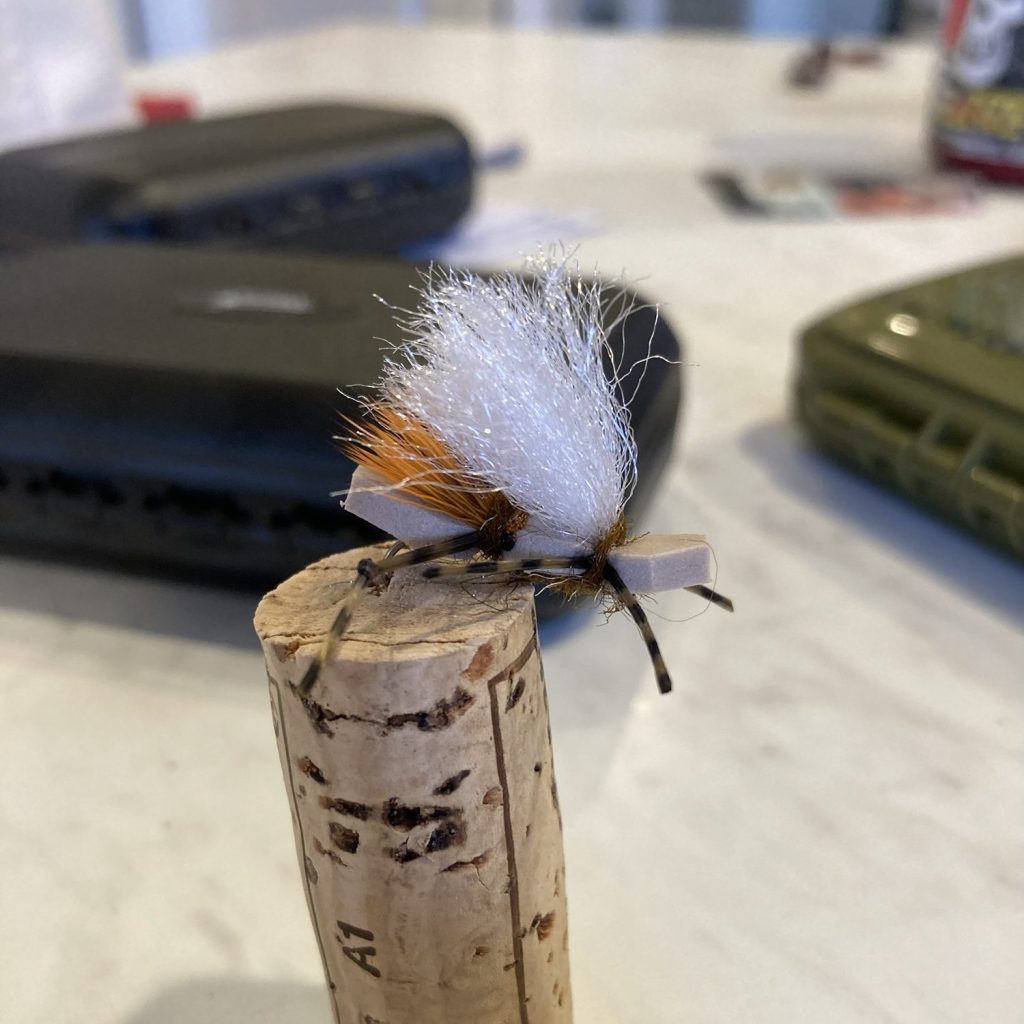
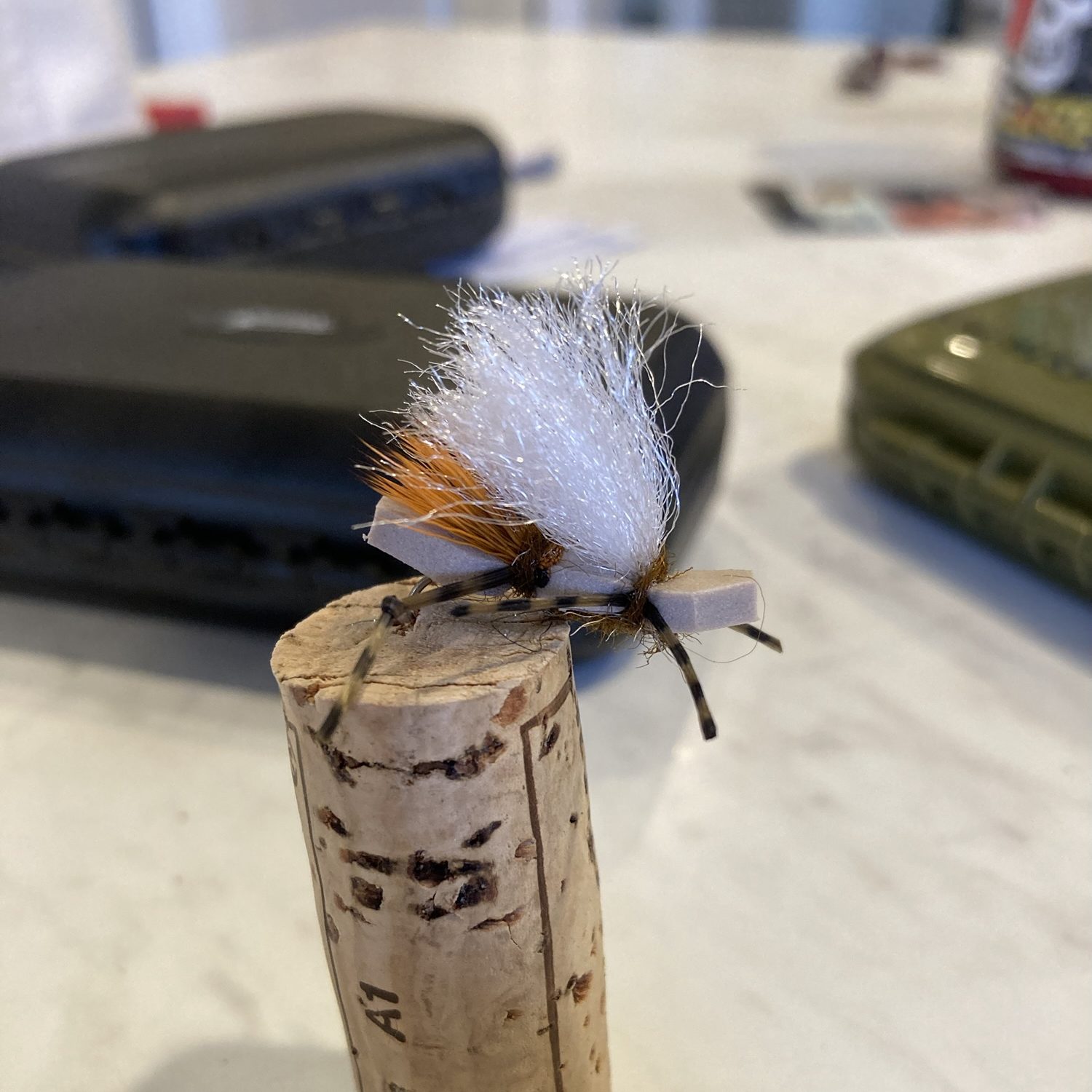
It’s basically just a Chubby with a couple of fancy details. I want to feature the Rosenhopper because everyone writes about the Chubby in these kinds of posts, and that’s kind of a cop-out. It’s indisputable that the Chubby works and should be a staple in everyone’s fly box once spring hits. However, I think the Rosenhopper is a slightly more realistic fly that stays relevant as spring turns into summer and summer fades into fall.
The fly looks great as a large stonefly in May and then makes for an even better hopper pattern once summer rolls around. The knot in the back legs especially sells the hopper profile. The deer hair in the back is more realistic than the large white wing, but it’s still buoyant enough to support a decently heavy dropper. The best part about the Rosenhopper, though, is that it’s more fun to tie than a Chubby.
3. The X-Caddis
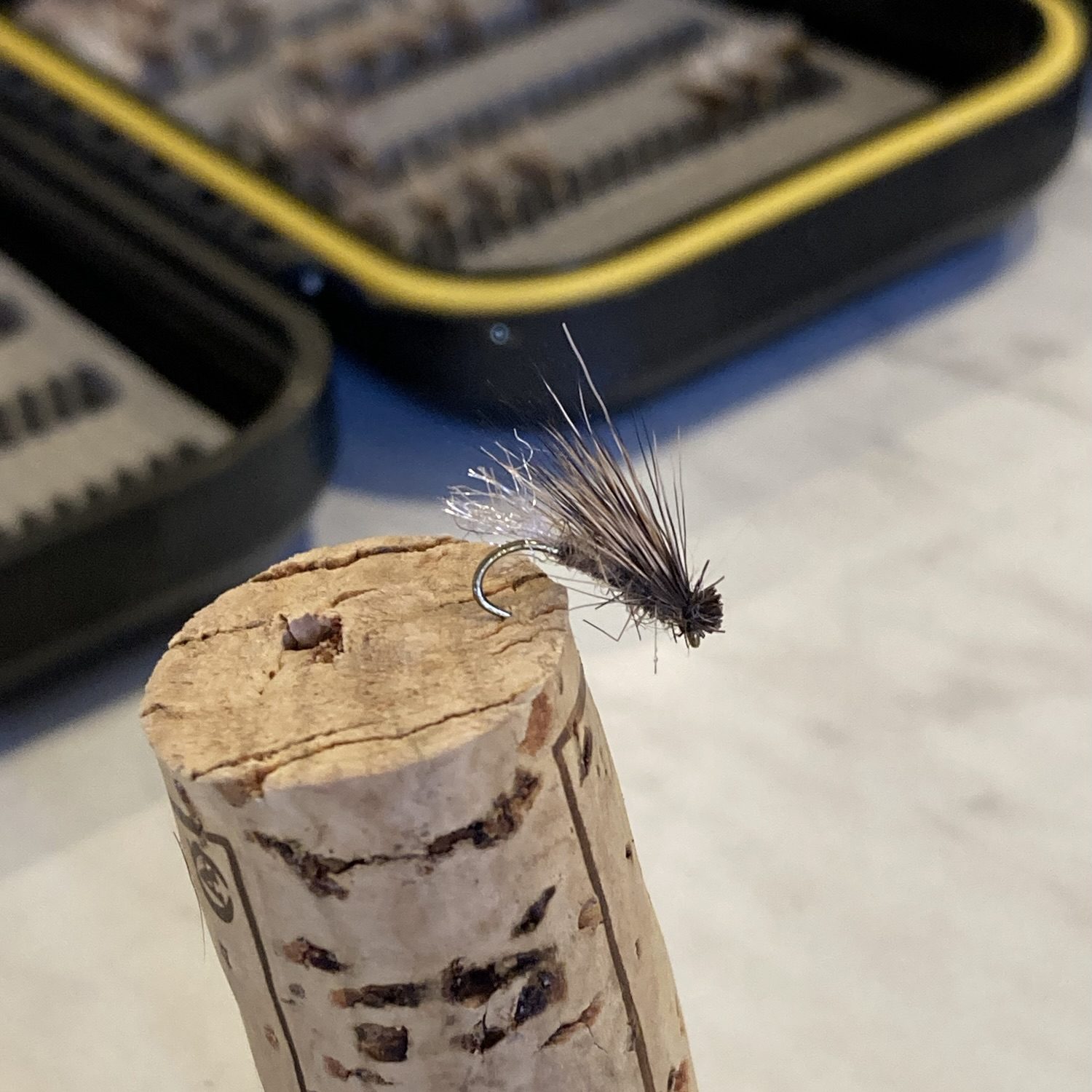
Simply put, it’s the most effective caddis imitation out there. Period.
The fly is meant to be an easy tie that mimics an emerging caddisfly. The shuck dips into the film, and the deer hair wing keeps the fly buoyant for easy tracking. My favorite part about this fly is the sheer versatility. Tie in a fatter clump of deer hair—almost like a muddler—to help it sit higher. Tie the wing sparser to get lower in the film and entice spooky trout. Take it a step further and tie it small, sparse, and olive to imitate an emerging mayfly.
It’s the caddis imitation that transcends caddis hatches, and that’s a great reason to keep it in your hat.
4. Egan’s Frenchie
What a great nymph. This one works every time.
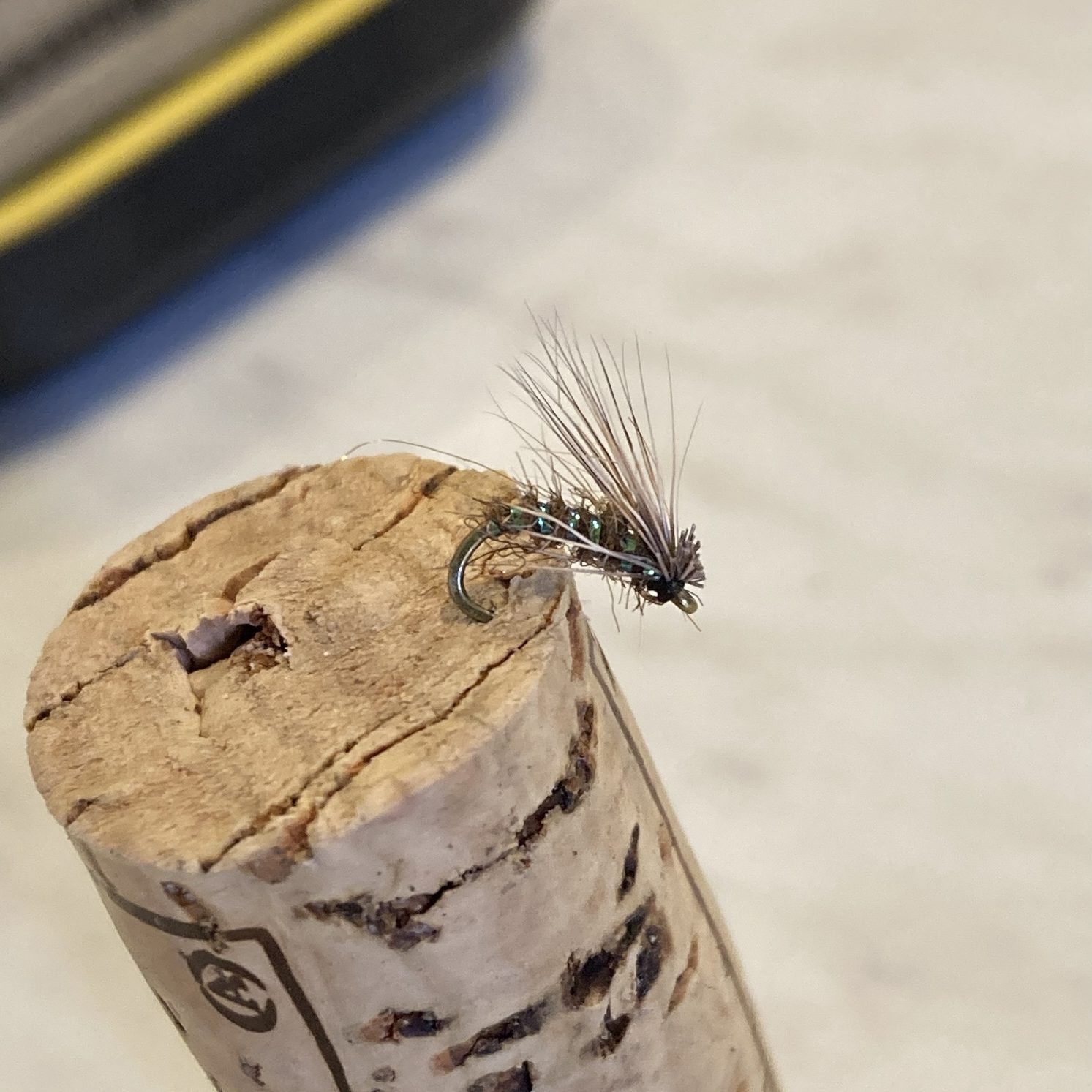
I use it as a dropper very consistently during the spring because it’s fairly light and quite buggy, if I daresay. At its core, it’s a jazzed-up Pheasant Tail. The pheasant tail fibers are swapped for Coq de Leon, which is a bit more subtle. And, of course, there’s the unmistakable flashy collar.
I tend to tie this fly in sizes 16 and 18 on a jig hook with a shrimp-colored dubbing, but you can mix up the hotspot collar to suit your own waters. One big piece of advice: apply superglue before wrapping your pheasant tail body. Pheasant tail fibers are notoriously fragile and love to break when the first fish bites—even with wire ribbing.
How I Like to Fish This Time of Year
Like I said, springtime is when I start fishing after work quite a bit. It’s just a matter of daylight—there’s more of it. Fishing becomes a matter of efficiency since I’m hitting the water for maybe two hours… maybe 30 minutes… who knows.
I target areas without huge variations in depth so I can keep my rigs fairly static without constant fly swapping. Specifically, I look for water where I can fish tandem dries or hopper-dropper setups.
The hopper-dropper tends to be the winner—and it isn’t always a nymph trailing off my Chubby or Rosenhopper. While a nymph is the best choice if I just want to catch fish, a trailing dry is often the most fun and effective way to fish through a hatch as the light fades.
I’ll tie a small X-Caddis—maybe a size 18—off a 3–4 foot length of tippet attached to my hopper. The large foam fly gives me something to track when I inevitably lose sight of the tiny dry, and nothing beats watching a Rosenhopper get crushed by a six-inch fish.
Tying a small dry off that 3–4 foot tag also gives me flexibility. If I want to switch to subsurface, I can cut the X-Caddis and swap in Egan’s Frenchie to target fish in shallow runs and pocket water. Again, versatility is the name of the game.
Fish With Confidence
While it’s fun to experiment with new patterns, there are plenty of moments that call for confidence flies. Some days, you just want to catch a few fish—and most anglers would agree.
When you’re fishing on a tight schedule, it pays to have a handful of flies you trust. It pays even more to fish a rig that keeps you fishing instead of tying knots.
So this one goes out to my fellow weekend warriors. See you out there.
—T


Leave a comment