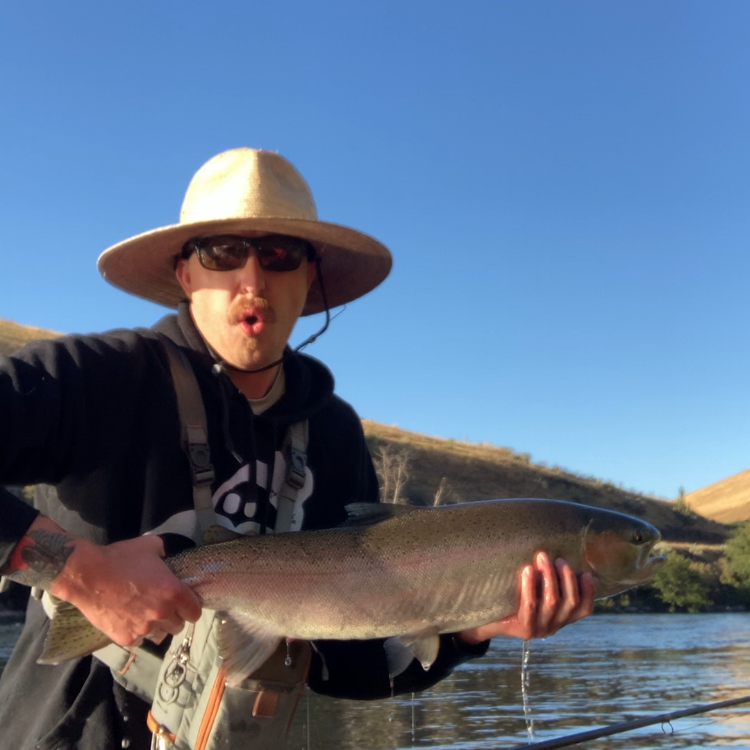
I was first introduced to euro nymphing when my buddy Lucas showed up to the river one day with a Moonshine Vesper he’d picked up for a few hundred bucks. It didn’t take long for me to notice him vacuuming up fish, and I knew I needed to try the technique out.
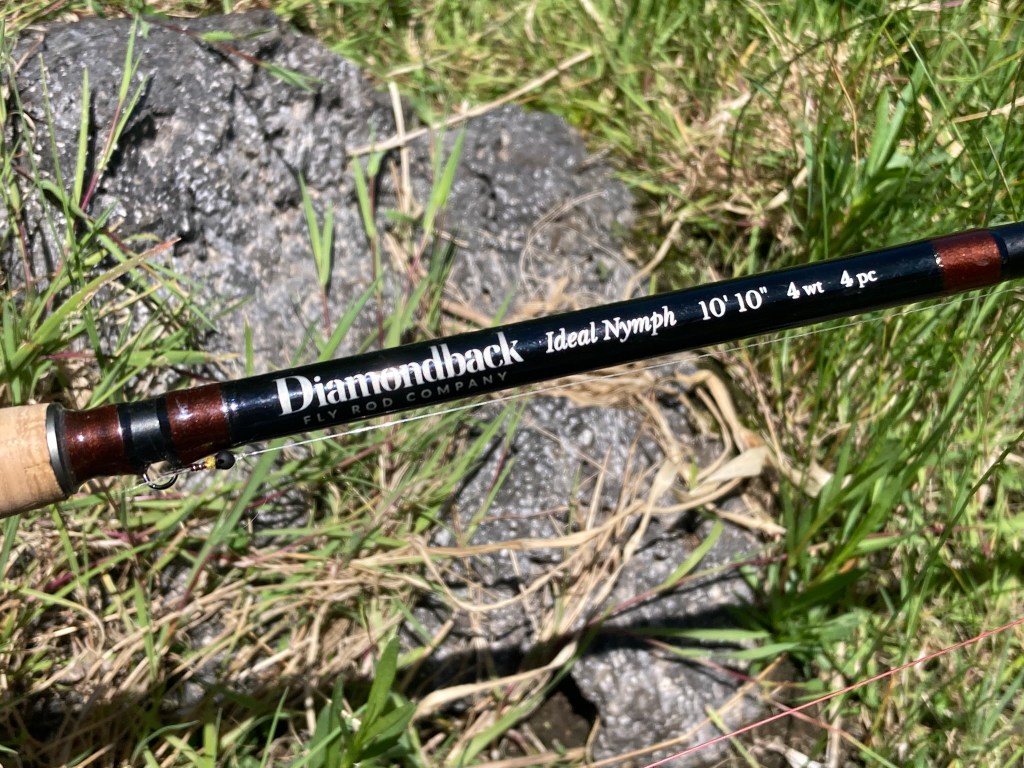
Problem was, I didn’t have a euro rod.
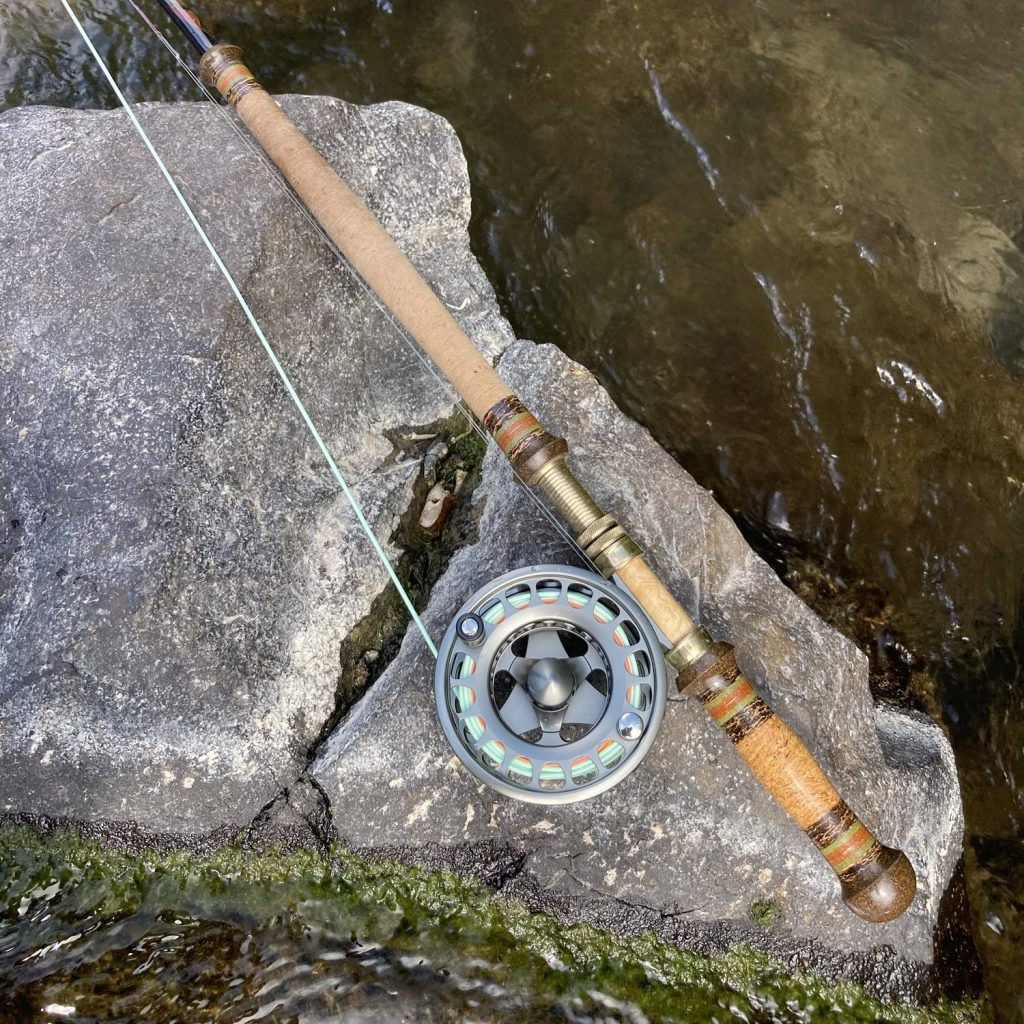
Turns out, you don’t need a euro rod to tight line nymph.
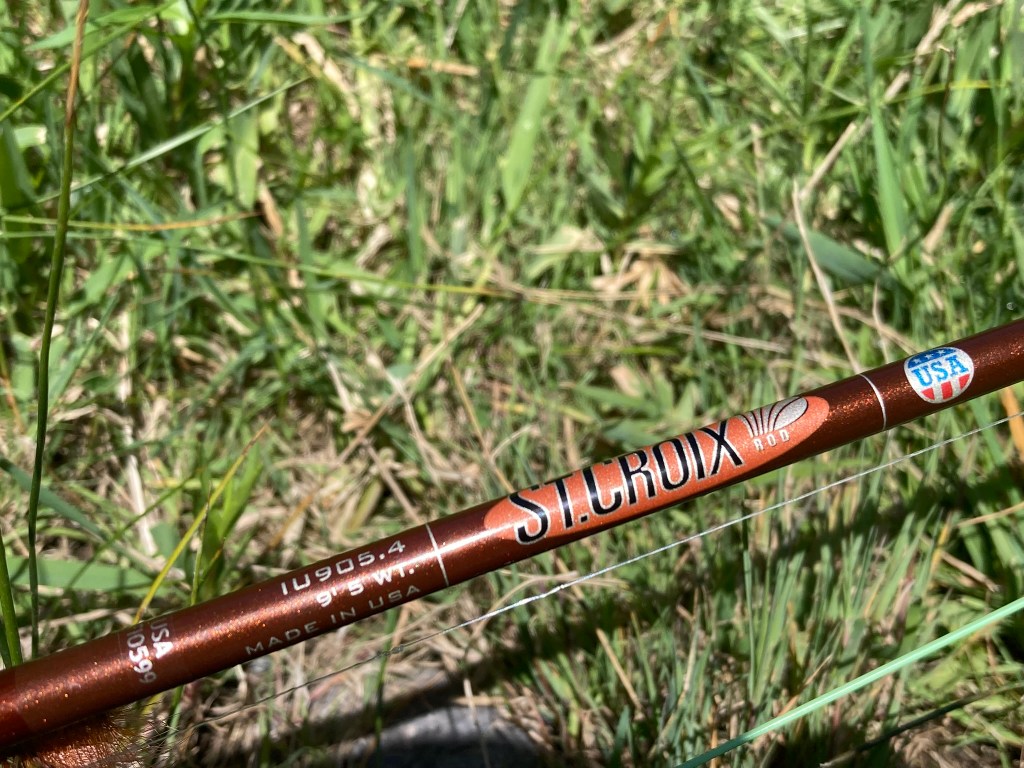
I grabbed my Echo Carbon XL—a no-fuss 9’ 5wt with a soft-ish tip—and threw a mono rig on it. A mono rig is basically a 40-foot leader made of straight monofilament. It’s a simple way to turn your standard setup into a euro rig without swapping out your fly line. As I quickly found out, you can definitely euro nymph on a regular 5wt using a mono rig—it just isn’t as graceful.
But it works.
Euro Nymphing Is Fun—And Damn Effective
Personally, I prefer euro nymphing to fishing with an indicator. It’s more active, more effective, and it teaches you to be a more skillful angler. Nymphing on a tight line gives you ultimate control over keeping your fly in the strike zone.
With an indicator, your leader length is fixed while you’re fishing a run that might vary drastically in depth and current. A tight line setup gives you more sensitivity and control, and makes it easier to detect subtle strikes.
It also teaches you to approach the water more thoughtfully and stealthily—instead of splashing into the run and blowing it up before you even make a cast.

Let Me Save You the Research, Time, and Confusion
Euro fly lines are a waste of money. The mono rig is the simplest (and best) way to tight line nymph on almost any rod.
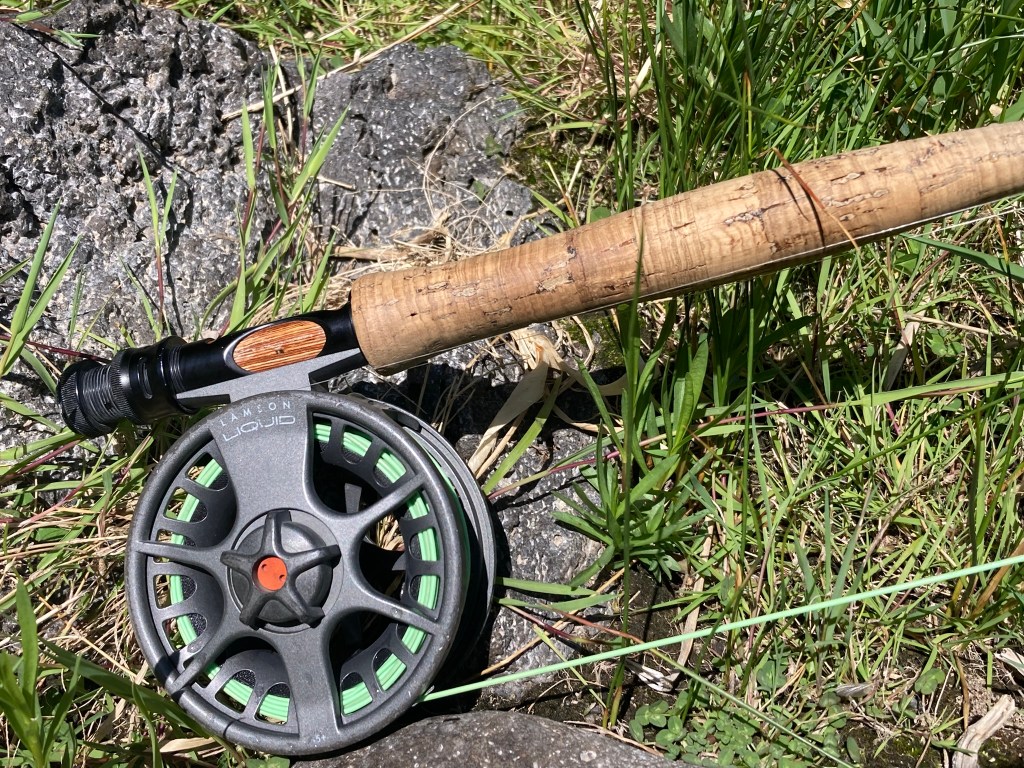
If you want a multi-purpose system, just keep a mono rig on a spare tippet spool and attach it to your regular fly line using a loop-to-loop connection. This avoids sag in your guides, cuts through the water more efficiently, and increases strike sensitivity.
Here’s a basic formula that you can adapt to suit a variety of fishing situations:
- 30+ feet of Maxima Chameleon
- A couple feet of sighter material
- A tippet ring
- Fluorocarbon tippet
Fishing lighter beadhead nymphs? Use thinner diameter material.
Casting big, heavy jig streamers? Use thicker stuff.
Need to fish farther away, or your fly line is creeping up your guides? Just lengthen the Maxima section.
The Leader I Use (and Why It Works)
That long Maxima section prevents your fly line from entering the guides, which introduces slack—and slack is the enemy when you’re trying to detect subtle takes.
I personally use Maxima Chameleon because its stiffness helps cast the heavy jig streamers I like to fish on large Western rivers. I use a blood knot to connect to Cortland Tri-Color Indicator Mono, then attach a tippet ring with a clinch knot. Check out my post on fishing knots if you want the extra details.
I leave the tag ends about an inch long to make the sighter easier to see.
From there, I attach fluorocarbon down to my flies. Pro tip: buy Seaguar or P-Line fluorocarbon—because, let’s be real, fly shop tippet is kind of a scam.
Don’t believe me? I once witnessed the tip of a $1000 Sage break before the 4lb P-Line leader did.
Sighter Material: Use What You Can See
There’s a lot of debate about which sighter material is best. Honestly, I don’t think it matters as much as people say.
The best sighter is the one you can see in a variety of light conditions.
Some folks use blood knots to connect different colors of Sunset Amnesia and leave the tag ends. Some prefer bi-color, and others go with plain white sighters they customize with paint pens from the craft store.
Bottom line? There’s no wrong answer—just use what works for your eyes.
Build a Simpler System (That Actually Works)
However you build your system, I have two rules:
- Use blood knots to connect pieces of leader material.
- Don’t taper down too fast—or too much.
Blood knots slide through the guides better and leave visible tag ends. But they aren’t great for drastically different diameters—which is actually a feature, not a limitation. It forces you to build a more level leader, which sinks faster and drifts more predictably than a heavily tapered one.
Simple Mono Rig Formulas
For casting large jig streamers and heavy beadheads:
- 30+ feet of 12lb Maxima Chameleon
- 3–4 feet of 2X sighter material
- Tippet ring
- Fluorocarbon to match the depth you’re fishing
For smaller flies and most other applications:
- 30+ feet of 8lb Maxima Chameleon
- 3–4 feet of 4X sighter material
- Tippet ring
- Fluorocarbon to match the depth you’re fishing
Start with one of these simple setups, and adjust from there. Add complexity if you want—but don’t let a lack of a euro rod keep you from trying out this crazy effective technique.
This streamlined approach cuts through the noise and gives you a strong foundation for euro nymphing success—without emptying your wallet or overwhelming your brain.
-T