
(Spoiler: It Won’t Catch You More Fish—But It Might Feel Nicer Doing It)
I’m the proud owner of a $1,200 custom fly rod, and I love every second I spend fishing it. But do most anglers need a high-end fly rod to catch more fish? Probably not.
Here are my thoughts—based on actual time on the water—so you can decide whether it’s time to splurge or time to stick with something more affordable.
1. Expensive Fly Rods Don’t Always Perform Better
I’ve been lucky enough to fish some premium fly rods—Winstons, Sages, and a few other rods that feel buttery smooth. They’re amazing tools, no doubt. But after a certain point, the performance gains start to taper off.
What you’re mostly paying for past that $600 mark is build quality, finish, ergonomics—and let’s be honest—a bit of flex for your ego.
Think of it like this: Toyota and Lexus both get you where you need to go. One just does it with leather seats and walnut trim. The Kia Soul also gets you where you need to go, but not for long. Same goes for rods.
2. Mid-Tier Fly Rods Are the Best Value
When you’re starting out, even the cheapest fly rod feels like magic. It gets you casting, learning, and (hopefully) landing fish. My very first rod was unbranded and found in the corner of a thrift store, of all places. But as your technique sharpens, your expectations change—and you start to feel where your gear falls short.
That’s when we start upgrading.
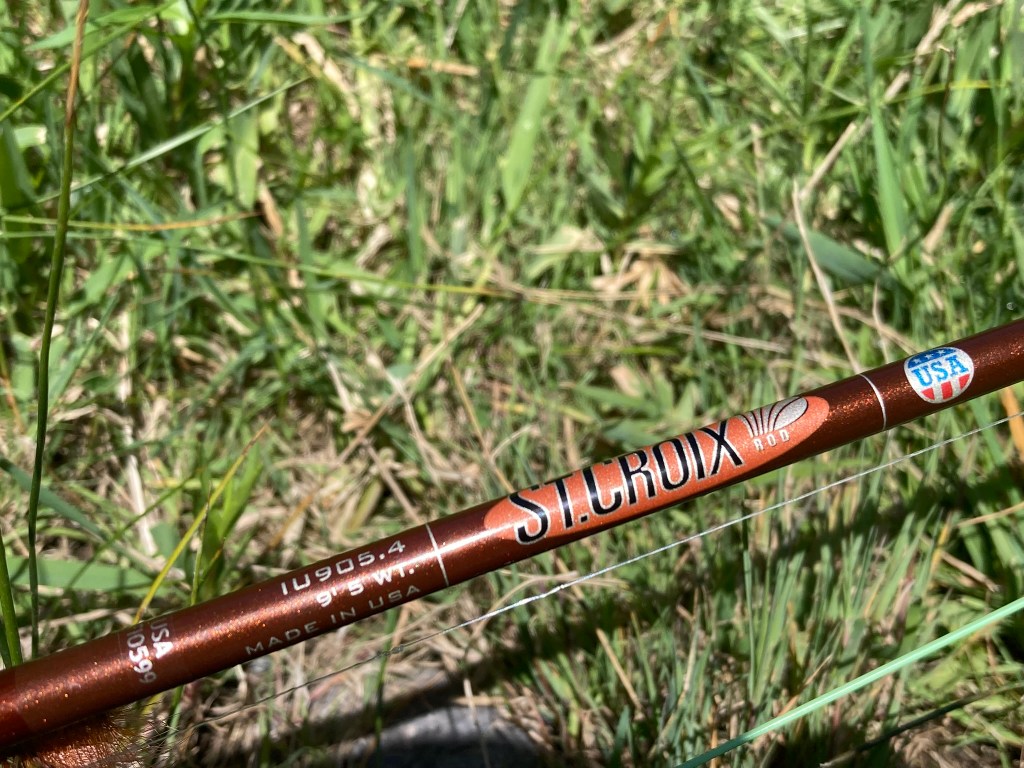
My first “real” fly rod was an Echo Carbon XL. Solid rod, great action, and only $200 brand new. But the cork on the handle? Trash. It broke down fast and showed its age in a single season.
Approaching the $400–$600 range, you’ll start to see a real jump in materials and performance. Beyond that, you’re mostly paying for things like better cork, upgraded guides, or niche features like saltwater compatibility or Euro nymphing designs.
If you’re looking for the best fly rod for the money, this is your zone.
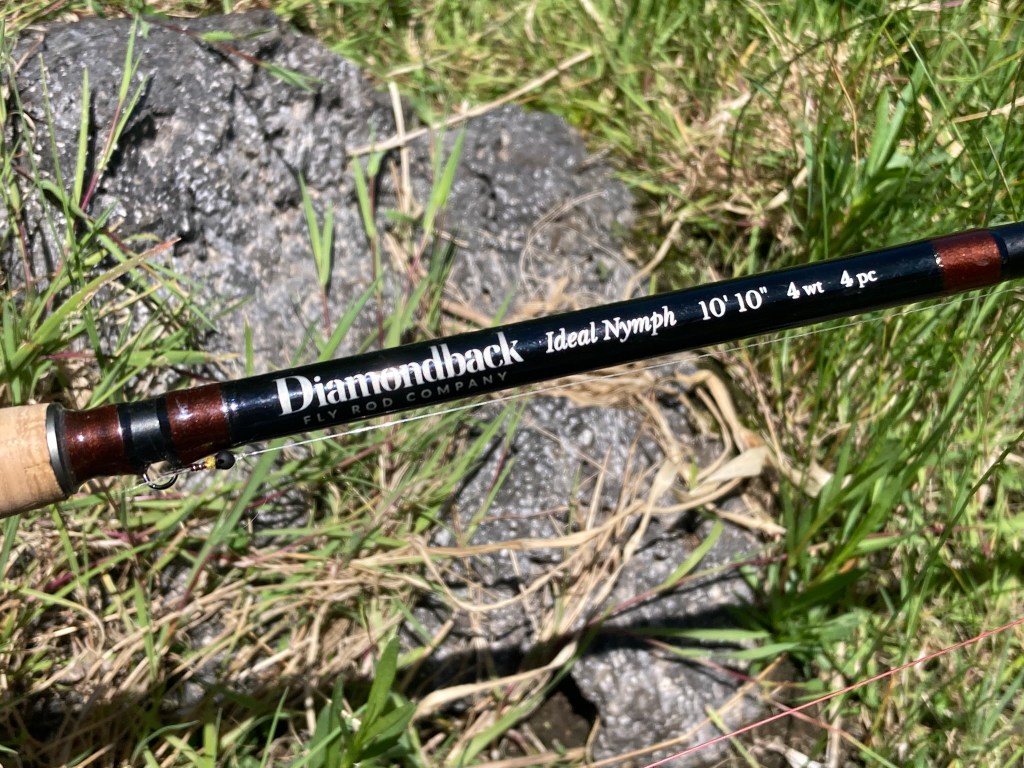
Let’s take a real-world example. I fish a Diamondback Ideal Nymph that set me back about $550. My buddy runs a Sage ESN, which retails for almost $1,000. Both rods are phenomenal performers with excellent ergonomics, great balance, and thoughtful features for tight-line nymphing. The Sage might edge out the Diamondback ever so slightly in feel and responsiveness—but only to a trained hand. What really sets it apart is the finish; it just looks like a high-end rod. That said, for the price, I’d still rather buy two Diamondbacks in different weights than a single Sage. That’s how much value you’re getting. And here’s the kicker: my buddy who owns the Sage? He also fishes an Ideal Nymph—and loves it. That says a lot.
3. High-End Fly Rods Are a Luxury, Not a Necessity
At the $1,000 mark and up, you’re buying premium craftsmanship, top-tier materials, and features tailored for specific fishing styles. And if you’re someone who truly appreciates those details, it can absolutely be worth it.
My $1,200 rod is an RB Meiser Highlander. It wasn’t just a purchase—it was an experience. I got to tour the shop, talk with the builder, choose the blank and components, and even work with Steve Godshall to dial in a custom line that matched my casting stroke and the rivers I fish. Nick Moses outdid himself crafting my favorite fly rod.
That kind of connection to your gear? It’s hard to beat.
4. When Does It Make Sense to Drop Big Money on a Fly Rod?
Here’s the thing—spending a grand on a rod doesn’t make you a better angler. But it can enhance your experience if you’re fishing hard and often.
- If you’re constantly on the water, it pays to invest in something that feels good in the hand and holds up over time.
- If you’re dialed in on a technique like spey casting or Euro nymphing, a purpose-built rod can help maximize performance.
- If you value artistry and craftsmanship, a hand-built rod is something special. It’s not just gear—it’s part of your story.
Final Take
You don’t need a $1,000 fly rod. But if you’ve got the experience to appreciate it, the budget to afford it, and the obsession to justify it… why T.F. not?
Just don’t expect it to magically catch you more fish. That’s still on you.
-T

Leave a Reply